Wrongful Death Representation Across the Puna District
Puna covers a large part of eastern Hawaii Island, extending from communities near Keaʻau and Kurtistown to neighborhoods around Pāhoa, Mountain View, Hawaiian Paradise Park, Orchidland Estates, Hawaiian Acres, and the Kalapana area. Residents rely on several highways and an extensive network of subdivision roads to reach jobs, schools, medical appointments, and other services.
These geographic differences can affect how a fatal accident is investigated. An incident on a major highway may involve different evidence and responsible parties than a death caused by unsafe conditions on privately maintained property or a remote subdivision road.
Our firm represents families throughout the district, including those living outside the larger towns. We examine where the incident happened, which parties controlled the property or equipment involved, and where relevant records may be located.
Families throughout Puna may face different challenges depending on where a fatal accident occurred. A collision along Highway 130 near Pāhoa, for example, may involve questions about driver negligence, roadway conditions, and insurance coverage. Other incidents may require examining unsafe property conditions, equipment failures, or the actions of multiple responsible parties.
Puna’s Road Network Can Create Complex Accident Investigations
The Puna District depends heavily on Highway 11 and Highway 130 for travel between communities and connections to Hilo. Highway 132 serves the area east of Pāhoa, while portions of the district also rely on local roads that may have limited lighting, narrow travel lanes, or restricted access.
Hawaii County’s Puna Community Development Plan has identified transportation concerns involving subdivision roads, roadway connections, intersection safety, and access for emergency vehicles. These conditions do not automatically establish negligence, but they can become relevant when investigating how a fatal accident occurred.
A wrongful death case involving a roadway collision may require examining the actions of the drivers, visibility, traffic controls, vehicle condition, and surrounding road conditions. In some cases, an accident reconstruction expert may help explain how the collision occurred.
Our attorneys evaluate these factors as part of the broader investigation rather than assuming that a dangerous-looking road or serious injury proves another party was legally responsible.
Fatal Accidents May Involve Several Types of Negligence
A wrongful death claim can arise from many different incidents. The legal issue is whether another person or entity engaged in wrongful conduct that caused the death, not simply whether the accident was severe.
Potential cases may involve:
- Car accidents caused by negligent or impaired drivers
- Fatal commercial truck collisions
- Motorcycle, pedestrian, and bicycle accidents
- Dangerous conditions on residential or commercial property
- Defective products or equipment
- Construction accidents and certain workplace incidents
- Negligent supervision or care
- Other fatal injuries caused by legally actionable conduct
Some cases involve a single negligent driver or property owner. Others require investigating employers, manufacturers, contractors, businesses, or organizations whose conduct may have contributed to the death.
Not every workplace accident or incident involving medical care supports a standard wrongful death lawsuit. Specialized legal rules, including workers’ compensation provisions and medical malpractice requirements, may affect the claims available. We evaluate those issues before advising families about their options.
Responsibility May Depend on Who Controlled the Property or Equipment
In a geographically diverse district like Puna, accidents may happen on state highways, county roads, privately maintained subdivision roads, commercial properties, or residential land. Determining who had responsibility for a particular condition can become an important part of establishing liability.
For example, a fatal accident involving dangerous equipment may require examining who owned, maintained, or operated it. A premises liability case may involve a property owner, tenant, contractor, or business responsible for inspecting and correcting hazards.
The fact that an accident occurred on a particular property does not automatically make its owner liable. We must examine the legal duties involved, what each party knew or should have known, and whether a failure to act caused the fatal injury.
When several parties may share responsibility, our investigation can involve contracts, maintenance records, inspection documents, ownership information, and other evidence showing who controlled the conditions that contributed to the death.
Gathering Evidence From Different Locations and Agencies
A wrongful death investigation may involve information held by several organizations. Police reports, medical records, employment documents, insurance policies, and other records can be located in different parts of Hawaii Island or maintained by entities outside the state.
The evidence needed depends on the circumstances. A fatal motor vehicle accident may require vehicle data and accident reconstruction, while a dangerous property case may depend on maintenance records, prior complaints, photographs, and witness testimony.
We may seek:
- Police and incident reports
- Medical and emergency treatment records
- Photographs and surveillance footage
- Witness statements
- Vehicle or equipment inspection records
- Property ownership and maintenance information
- Employment and financial records
- Insurance policies
- Expert opinions when necessary
Our legal team works to identify which evidence matters and obtain it through appropriate means. Families do not need to gather every document before contacting us, although preserving records already in their possession can be helpful.
Hawaii Law Establishes the Basis for a Wrongful Death Claim
Hawaii Revised Statutes § 663-3 allows a wrongful death action when a person’s death results from another person’s wrongful act, neglect, or default. The law provides a civil remedy for eligible survivors when the evidence establishes legally actionable responsibility for the death.
A wrongful death claim requires more than showing that a family suffered a terrible loss. In a negligence case, the evidence generally must establish a duty of care, a breach of that duty, a causal connection to the death, and legally recognized damages.
This can become complicated when several factors contributed to the accident. A driver may blame another motorist, a business may dispute responsibility for an unsafe condition, or an insurance company may argue that the deceased person was partly at fault.
We investigate those issues before determining how to pursue the claim. Our goal is to identify the legally responsible parties and develop the evidence necessary to support the family’s position.
Who May Pursue a Wrongful Death Action in Hawaii
Hawaii law limits who may maintain a wrongful death action. Under HRS § 663-3, the deceased person’s legal representative or certain surviving relatives and dependents may bring the claim.
Eligible people may include a surviving spouse, reciprocal beneficiary, children, the deceased person’s father or mother, and people who were wholly or partly dependent upon the deceased.
A family does not necessarily need to have lived in one household for dependency to become relevant. For example, a deceased person may have regularly supported a relative living elsewhere in Puna or another part of Hawaii. Whether that person qualifies requires reviewing the circumstances and applicable law.
The deceased person’s personal representative may also recover reasonable expenses associated with the final illness and burial on behalf of the estate. We help families understand which claims belong to qualifying survivors and which expenses or other rights may involve the estate.
Financial Losses Can Continue for Years
The loss of a family member who contributed to household finances can create immediate and long-term hardship. Surviving relatives may need to replace income, adjust childcare arrangements, or manage expenses that were previously shared.
Economic damages in a wrongful death case may include qualifying financial losses resulting from the death. Depending on the circumstances, these may involve lost financial support and reasonable expenses associated with the deceased person’s last illness and burial.
Evaluating future financial losses can require more than multiplying the deceased person’s wages by a certain number of years. Employment history, expected future earnings, benefits, household contributions, and the circumstances of financially dependent survivors may all matter.
We review the available financial information to develop a supportable calculation. When the losses are complex or disputed, qualified economic experts may help assess the financial consequences over time.
The Family’s Personal Losses Are Also Recognized
A death can change a family’s daily life in ways that financial records cannot fully explain. Children may lose a parent’s care and guidance, a spouse may lose companionship and marital support, and parents may lose the care and attention of a child.
Hawaii’s wrongful death statute recognizes non-economic damages involving certain family relationships. These include loss of society, companionship, comfort, protection, marital care, parental guidance, and other forms of care or attention identified by law.
These damages are not the same as automatically awarding a separate amount for every feeling of grief, mental anguish, or emotional distress. The law identifies particular losses for which eligible survivors may receive compensation.
We work to document the deceased person’s role within the family and the relationships affected by the death. This helps present the full impact of the loss without relying on unsupported or exaggerated damages claims.
Wrongful Death Claims and Estate Rights Require Separate Analysis
A wrongful death action addresses losses recognized under HRS § 663-3. Damages awarded to eligible survivors generally do not become part of the deceased person’s estate, although the statute separately allows recovery of reasonable expenses associated with the final illness and burial on behalf of the estate.
Hawaii also has a survival-of-actions statute, HRS § 663-7. Certain claims belonging to an injured person may survive their death, but the availability and scope of those claims depend on the circumstances and applicable legal rules.
The distinction can matter when a person survived for some time after suffering serious injuries. Medical expenses, the circumstances of treatment, and the legal rights that existed before death may need separate evaluation.
We examine potential wrongful death and estate-related claims individually so families understand which losses may be pursued and who has the legal right to pursue them.
Insurance Coverage and Settlement Negotiations
Insurance may play a significant role in a wrongful death case, particularly when the death involves a motor vehicle accident, commercial business, or dangerous property condition. The responsible party may have liability coverage, but determining which policy applies is not always straightforward.
An insurance company may dispute how the accident happened, question the deceased person’s responsibility, or challenge the amount of financial compensation sought. Cases involving several defendants may also involve multiple insurers with different positions on liability.
We review available insurance information, document the family’s losses, and handle appropriate communications with insurers. When the evidence supports liability, we may pursue settlement negotiations before filing a lawsuit.
A fair settlement should account for the claims being resolved and the losses supported by the evidence. Families should understand the consequences of accepting an offer because settlement agreements commonly release the covered claims and prevent further recovery for those same matters.
Filing a Wrongful Death Lawsuit When Settlement Is Not Possible
Not every wrongful death case can be resolved through insurance negotiations. A defendant may deny responsibility, dispute the cause of death, or refuse to offer compensation that reasonably reflects the evidence.
When litigation is appropriate, we can pursue a wrongful death lawsuit through the civil court system. The legal process may involve filing a complaint, exchanging evidence, taking depositions, consulting experts, and preparing the case for trial.
Filing a lawsuit does not necessarily mean the case will be decided by a jury. Settlement discussions can continue during litigation, and some cases resolve before trial.
We explain the available options and significant decisions as the case progresses. Families deserve to understand what is happening rather than being left uncertain about the status of their claim.
The Two-Year Deadline Can Arrive Before an Investigation Is Complete
Hawaii Revised Statutes § 663-3 generally requires a wrongful death action to be commenced within two years from the date of death. Certain exceptions and additional procedural requirements may apply depending on the circumstances.
Complex investigations can take time, especially when several defendants, insurers, or agencies possess relevant information. Waiting until the deadline approaches may leave insufficient time to investigate and prepare the appropriate legal action.
Evidence can also disappear well before the filing deadline. Witnesses may become difficult to locate, electronic records may be deleted, and physical conditions may change.
Speaking with an attorney early can help clarify the applicable time limit and identify evidence that should be preserved. A consultation does not require the family to decide immediately whether it wants to file a lawsuit.
Jeffrey Foster’s Experience Representing Hawaii Families
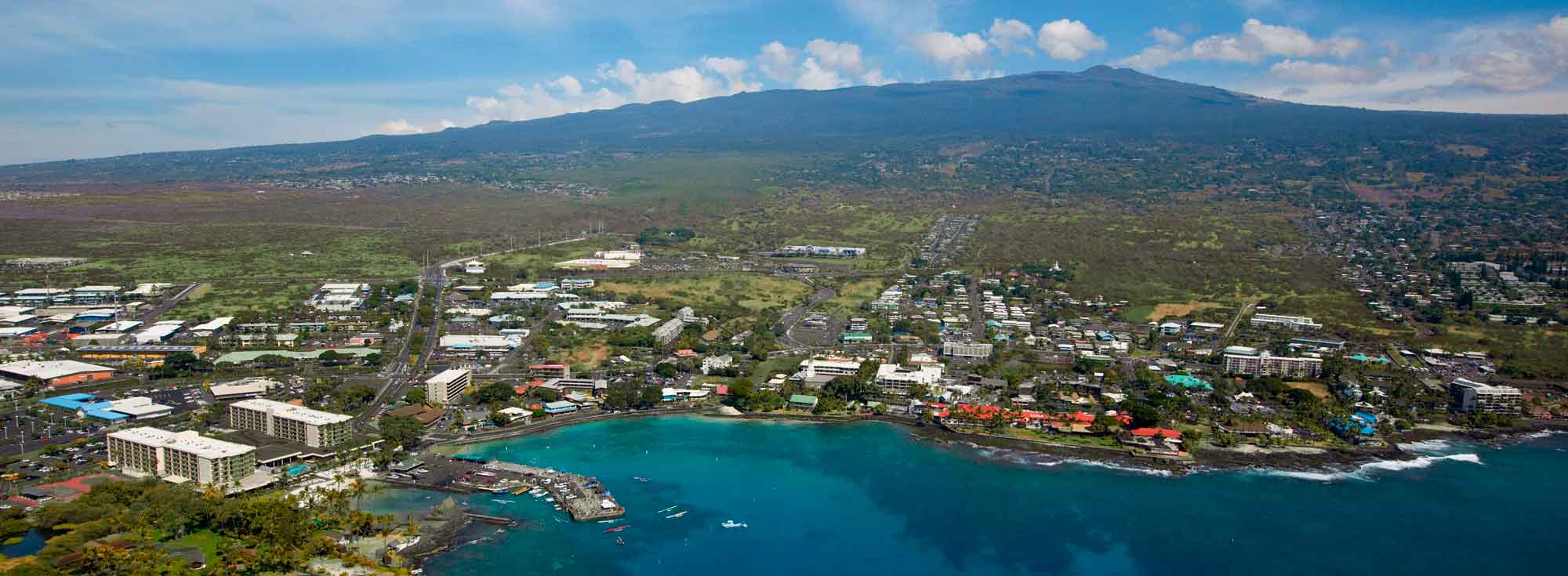
Foster Law Offices was founded in 2003 by attorney Jeffrey Foster. Our firm is based in Kailua-Kona and represents personal injury and wrongful death clients throughout Hawaii Island, including communities across the Puna District.
Jeffrey Foster has represented families in complex wrongful death litigation involving allegations against multiple individuals and organizations. Our firm’s experience also includes serious motor vehicle accidents and other negligence-based claims where liability, insurance coverage, and damages require careful investigation.
We understand that families may have questions about the legal process while also managing significant personal and financial changes. Our role is to explain the available options, pursue evidence supporting the claim, and keep clients informed about important developments.
Families can learn more about attorney Jeffrey Foster’s professional background and our firm’s work before deciding whether to move forward with representation.



 20+ Years Experience In Personal Injury Law

