Legal Representation for Families in Pāhoa and the Puna District
Pāhoa serves as an important community center for residents throughout lower Puna. Families living in Hawaiian Beaches, Hawaiian Shores, Leilani Estates, Nānāwale Estates, and surrounding neighborhoods often travel through Pāhoa for work, shopping, school, and medical appointments. Highway 130 connects these communities with Keaʻau and the route toward Hilo.
When a fatal accident happens in this part of the Big Island, the circumstances can create challenges for surviving family members. Witnesses may live in different communities, medical treatment may have occurred outside Pāhoa, and important records may be held by several agencies or businesses.
Our firm represents Puna families without requiring them to determine every detail of the accident before asking for legal help. We can investigate what happened, identify potentially responsible parties, and explain whether the evidence supports a wrongful death claim.
Fatal Car Accidents on Highway 130 and Other Puna Roads
Highway 130, also known as Keaʻau-Pāhoa Road and Pāhoa-Kalapana Road, is one of the primary routes serving the Puna District. Drivers use it to travel between Pāhoa, Keaʻau, and communities farther south. Highway 132 also connects Pāhoa with the Kapoho area, while Pāhoa Village Road and the bypass carry traffic around and through town.
A fatal motor vehicle accident on these roads may involve speeding, distracted driving, unsafe passing, impaired driving, or another failure to operate a vehicle safely. Some crashes involve multiple vehicles, commercial trucks, motorcycles, or pedestrians.
Determining who caused the collision may require more than reviewing a police report. Roadway photographs, vehicle damage, witness accounts, electronic vehicle data, and other evidence can help explain what occurred.
Our attorneys investigate serious car accident injuries and fatal collisions throughout the Big Island. When another driver’s negligence causes a death, we can evaluate the family’s right to pursue a civil claim.
Other Preventable Deaths That May Support a Claim
Not every wrongful death case begins with a traffic collision. A person may suffer fatal injuries because a property owner failed to address a dangerous condition, a defective product malfunctioned, or someone responsible for another person’s safety failed to provide reasonable care.
Potential cases may involve:
- Fatal motorcycle, bicycle, and pedestrian accidents
- Commercial truck collisions
- Dangerous conditions on residential or commercial property
- Defective machinery, equipment, or consumer products
- Construction and certain workplace accidents
- Negligent supervision or care
- Certain incidents involving medical negligence
- Other accidents caused by legally actionable conduct
The type of incident alone does not establish a wrongful death claim. We must determine whether someone owed a legal duty, whether that duty was breached, and whether the wrongful conduct caused the person’s death.
Some matters, including medical malpractice and workplace deaths, involve additional legal requirements or restrictions. We evaluate the circumstances before determining whether a claim falls within our firm’s representation.
What Families Should Know About Insurance Company Contact
An insurance company may contact surviving family members shortly after a fatal accident. An adjuster might request a recorded statement, ask for medical information, or seek documents concerning the deceased person’s injuries and financial circumstances.
Those requests can arrive before the family knows the full extent of its legal rights. Insurance companies evaluate claims from the perspective of their own policy obligations and financial exposure, which may differ from the family’s interests.
You should be cautious about signing releases, accepting a final settlement, or making detailed recorded statements without understanding their potential consequences. A settlement agreement may affect the ability to pursue additional compensation later.
We can communicate with insurers on behalf of our clients, investigate available coverage, and evaluate whether an offer accounts for the losses supported by the evidence. Families should have an opportunity to make informed decisions rather than feeling pressured to resolve a claim quickly.
Early Decisions Can Affect a Wrongful Death Investigation
The days following a fatal accident are often filled with medical, financial, and family responsibilities. Gathering evidence may be the last thing on anyone’s mind, yet certain information can become difficult to obtain if too much time passes.
Video footage may be overwritten, vehicles may be repaired or destroyed, and accident scenes can change. Witnesses may also become harder to locate as time passes.
If possible, families should preserve any documents and information they already possess, including:
- Police or incident report information
- Photographs and videos
- Medical records and bills
- Insurance correspondence
- Names and contact information for witnesses
- Messages relating to the incident
- Employment and income records
- Funeral and burial expense documentation
You do not need to obtain every record yourself. Our legal team can identify additional evidence, make appropriate requests, and determine whether investigators or qualified experts are needed to establish what caused the death.
Establishing Negligence in a Wrongful Death Case
Under Hawaii Revised Statutes § 663-3, a wrongful death action may be maintained when a person’s death is caused by another person’s wrongful act, neglect, or default.
A successful claim requires evidence supporting the legal responsibility of the defendant. In negligence cases, that generally means showing that the responsible party owed a duty of care, failed to meet that duty, and caused the fatal injury and resulting damages.
For example, a driver who crosses into oncoming traffic may be liable when that conduct causes a fatal collision. In a different case, the central issue may be whether a property owner knew or should have known about a dangerous condition and failed to take reasonable action.
Some wrongful death claims involve several contributing factors or multiple defendants. We examine the available evidence before determining which individuals or entities may be legally responsible.
Who May Bring a Wrongful Death Claim in Hawaii
Hawaii law identifies the people who may maintain a wrongful death action. Eligibility is not based solely on who paid the funeral expenses or which family member first contacted an attorney.
Under HRS § 663-3, the deceased person’s legal representative or certain surviving relatives and dependents may maintain an action. These include:
- A surviving spouse
- A reciprocal beneficiary
- Children
- The deceased person’s father or mother
- A person wholly or partly dependent upon the deceased
The personal representative may also recover reasonable expenses associated with the deceased person’s last illness and burial on behalf of the estate.
Families sometimes have complicated relationships or financial arrangements. A relative who relied on the deceased for support may have rights that are not immediately obvious, while another person who was close to the deceased may not qualify under the statute.
We help families identify the appropriate claimants and understand how Hawaii law addresses their individual losses.
Financial Compensation for the Loss of a Family Member
A wrongful death can place a household under significant financial pressure. The deceased person may have provided wages, benefits, childcare, household services, or other support that the family can no longer rely upon.
Economic damages address qualifying financial losses. Depending on the circumstances, these may include lost financial support and reasonable expenses connected with the deceased person’s last illness and burial.
Determining the amount of lost support may require reviewing the deceased person’s income, employment history, benefits, household contributions, and the needs of surviving dependents. Financial experts may be useful when future losses are disputed.
Our goal is to develop a claim based on the family’s actual financial circumstances. We do not rely on a standard settlement figure or assume that every family experiences the same economic losses.
Non-Economic Damages Recognize Personal Relationships
The financial impact of a death is only part of what surviving family members experience. Losing a spouse, parent, child, or another person who provided care and support can change everyday life in ways that cannot be measured through income records.
Hawaii law recognizes certain non-economic damages in wrongful death claims, including loss of society, companionship, comfort, protection, marital care, parental guidance, and other specified forms of care and attention.
These damages depend on the relationships involved and the evidence of the losses suffered. General emotional distress is not automatically a separate recoverable category simply because a family is grieving.
We work to understand the deceased person’s role within the family and document the losses Hawaii law recognizes. This helps ensure the personal effects of the death are considered alongside the financial consequences.
Wrongful Death Claims and Survival Actions Are Different
A wrongful death claim addresses legally recognized losses resulting from a person’s death. Hawaii’s wrongful death statute provides that damages recovered for qualifying survivors generally do not become part of the deceased person’s estate, except for the specified expenses of the last illness and burial.
Hawaii also recognizes the survival of certain legal claims under HRS § 663-7. A survival action concerns claims that may continue after the injured person’s death, subject to the applicable legal requirements.
These distinctions can matter when someone survives for a period after suffering serious injuries. The circumstances of the original injury, medical treatment, and death may affect which claims are available.
We evaluate wrongful death and potential estate-related claims separately rather than assuming that every type of compensation is available in every case.
The Legal Process From Investigation to Resolution
A wrongful death case does not always begin with an immediate lawsuit. We first need to understand what happened, whether the evidence supports liability, who may pursue the claim, and which losses can be documented.
After reviewing the available information, we may obtain additional records, identify defendants, examine insurance coverage, and consult experts when necessary. These steps help determine whether the case is ready for negotiations or whether additional investigation is required.
Some claims resolve through a negotiated settlement. Others require a wrongful death lawsuit because the defendant disputes responsibility, an insurance company offers inadequate compensation, or important issues remain unresolved.
When litigation is necessary, the process may include filing a complaint, exchanging evidence, taking depositions, participating in settlement discussions, and preparing for trial. We explain the relevant steps and keep our clients informed about decisions that affect their case.
Civil Claims Can Proceed Without Criminal Charges
A fatal accident may result in a criminal investigation, particularly when allegations involve impaired driving or intentional misconduct. However, the existence of a criminal case is not required for surviving family members to pursue a civil wrongful death claim.
Criminal proceedings are brought by the government and address alleged violations of criminal law. A wrongful death lawsuit is a civil action that addresses legal liability and compensation for qualifying losses.
The two proceedings have different purposes and standards of proof. A family may therefore have a civil claim even when no criminal charges are filed.
We can investigate potential civil liability independently of the criminal process while considering any relevant evidence that becomes available.
Hawaii Generally Allows Two Years to File a Wrongful Death Lawsuit
Hawaii Revised Statutes § 663-3 generally requires a wrongful death action to be commenced within two years from the date of death. Certain circumstances may affect the applicable deadline, and claims involving particular defendants may have additional procedural requirements.
Waiting can create problems even when the statutory time limit has not expired. Witnesses may become difficult to locate, records may be lost, and physical evidence may no longer be available.
Families can speak with an attorney before deciding whether to file a lawsuit. Early legal guidance can help clarify deadlines, preserve evidence, and identify the legal options available.
Jeffrey Foster’s Experience With Hawaii Wrongful Death Litigation
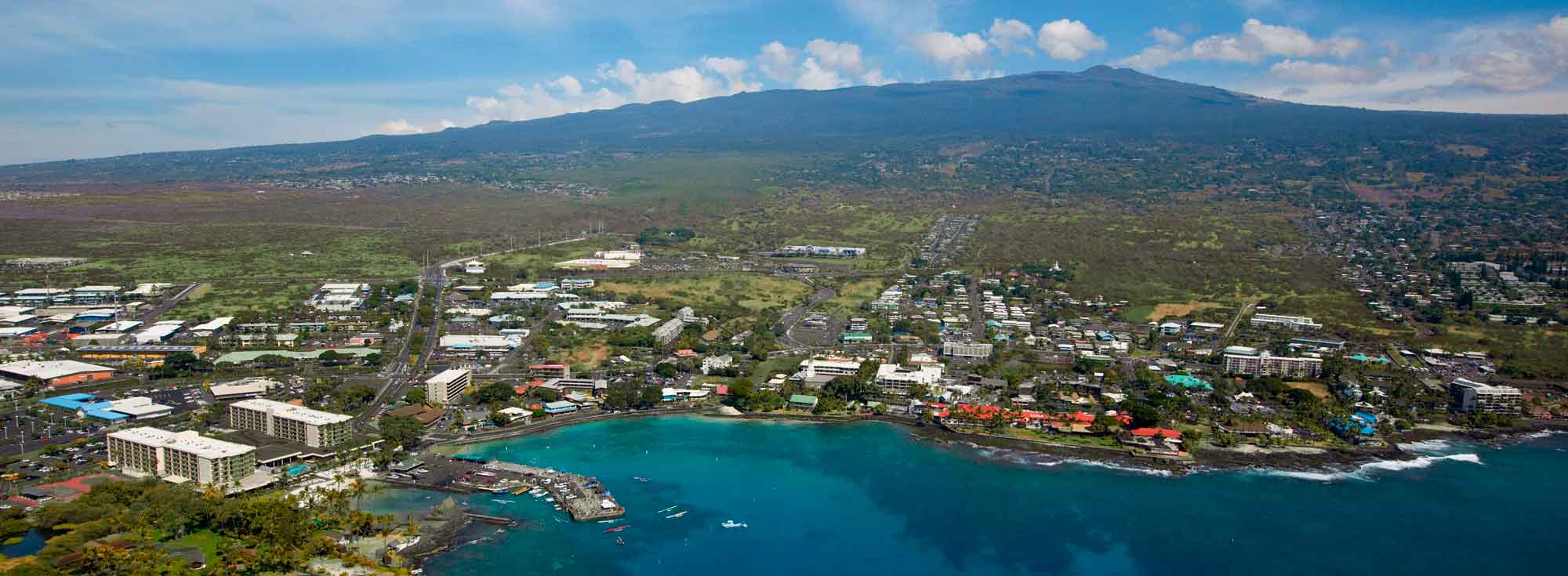
Foster Law Offices was founded by attorney Jeffrey Foster in 2003. Based in Kailua-Kona, our firm represents clients throughout the Big Island, including Pāhoa and surrounding Puna communities.
Jeffrey Foster has represented families in serious wrongful death litigation, including a case arising from the death of a young child in foster care. That litigation involved allegations against multiple individuals and organizations, demonstrating how questions of responsibility can extend beyond one person’s actions.
Our firm also has experience with serious motor vehicle accidents and other negligence-based personal injury claims. We understand that families need clear information about the evidence, potential defendants, available insurance coverage, and decisions that may affect the outcome.
You can learn more about attorney Jeffrey Foster’s background and experience before deciding whether our firm is right for your family. We believe clients should understand their legal options and remain informed throughout their representation.



 20+ Years Experience In Personal Injury Law

