Wrongful Death Cases Begin With Legal Responsibility
Hawaii Revised Statutes § 663-3 allows a wrongful death action when a person’s death is caused by another person or entity’s wrongful act, neglect, or default. A claim therefore requires more than showing that a tragic death occurred. Evidence must establish a legal connection between another party’s conduct and the death.
In some cases, that connection is relatively direct. A drunk driver may cause a fatal car accident, for example. Other wrongful death cases require a much deeper investigation into the decisions and failures that preceded the fatal injury.
Establishing liability can mean examining what the responsible party knew, what duties existed, what should reasonably have been done differently, and whether those failures caused or contributed to the death.
Several Parties May Share Responsibility for One Death
One of the most important questions in a wrongful death case is whether responsibility extends beyond the person most directly involved.
A commercial vehicle accident could involve a driver, employer, vehicle owner, maintenance company, or another business. Premises liability claims can require examining who owned, occupied, managed, inspected, or maintained the property. A defective product case may involve manufacturers or other companies in the distribution chain.
Cases involving supervision or care can be even more complicated. Responsibility may extend to an organization when its own decisions, policies, oversight, or failures contributed to the circumstances surrounding the death.
A thorough investigation looks beyond the most obvious negligent party to determine whether others should also be held accountable.
Foster Law Offices Has Handled a Wrongful Death Case Involving a Waimea Death
Foster Law Offices has represented a Big Island family in complex wrongful death litigation arising from the death of a three-year-old child who suffered fatal injuries while in foster care in a Waimea home.
Jeffrey Foster represented the child’s parents in a civil lawsuit involving claims against the State of Hawaii, Catholic Charities, caregivers, and others. The case raised questions involving multiple parties and alleged failures surrounding the child’s care and supervision.
The matter illustrates why wrongful death cases sometimes require an investigation that extends well beyond the actions of one individual. Determining legal responsibility may require examining organizations, policies, supervision, records, and the actions of several people before a family receives a fuller understanding of what occurred.
Fatal Accidents Can Lead to Wrongful Death Claims
Wrongful death cases can arise from many forms of negligence and wrongful conduct. Foster Law Offices handles personal injury matters involving serious and fatal incidents throughout Hawaii.
Potential wrongful death cases may involve:
- Car accidents
- Motorcycle and pedestrian crashes
- Commercial vehicle accidents
- Drunk or distracted driving
- Dangerous property conditions
- Premises liability claims
- Defective products
- Construction accidents
- Negligent supervision or care
- Other preventable fatal accidents
A victim may die immediately or survive for a period after suffering a catastrophic injury, such as a brain injury or other severe trauma. The circumstances between the initial injury and death can affect the evidence and legal claims involved.
Evidence Helps Explain How the Death Occurred
Wrongful death claims often require evidence from several sources. The family may possess some information, while important records remain with police, medical providers, businesses, insurers, employers, property owners, or other parties.
Depending on the circumstances, an investigation may involve:
- Police and incident reports
- Photographs and video
- Witness testimony
- Medical records and medical bills
- Employment and income records
- Vehicle or equipment information
- Maintenance and inspection records
- Business or organizational records
- Electronic data
- Insurance policies
- Expert analysis
Medical, economic, and lifestyle documentation may serve different purposes. Some evidence helps prove fault, while other records demonstrate the financial and personal effects of the death on surviving family members.
Critical evidence can also disappear. Beginning the investigation promptly may help preserve information before records are destroyed, physical conditions change, or witnesses become difficult to locate.
Hawaii Law Determines Who May Bring an Action
Hawaii law identifies the people who may maintain a wrongful death action rather than allowing anyone affected by a death to file a claim.
Depending on the family circumstances, Hawaii Revised Statutes § 663-3 allows an action to be maintained by:
- The deceased person’s legal representative
- A surviving spouse
- A reciprocal beneficiary
- Children
- A surviving father or mother
- A person wholly or partly dependent on the deceased
This means eligibility is broader and more nuanced than simply asking whether someone is an “immediate family member.” A person who was financially dependent on the deceased may have rights under the statute even when their situation does not fit a simplified description of the family.
The deceased person’s legal representative may also recover certain expenses on behalf of the decedent’s estate, including reasonable expenses associated with the last illness and burial.
Compensation Depends on the Loss the Family Actually Experienced
There is no standard value for a wrongful death claim. Two families can experience very different financial and personal losses even when the circumstances surrounding the deaths appear similar.
Economic damages address measurable financial consequences. Depending on the applicable claim and circumstances, these may involve lost financial support and qualifying expenses associated with the last illness and burial.
The loss can also create significant hardship that cannot be calculated from bills alone. Hawaii’s wrongful death statute allows fair and just compensation with reference to pecuniary injury and loss of love and affection, including losses involving:
- Society and companionship
- Comfort and protection
- Consortium
- Marital care and attention
- Advice or counsel
- Parental care
- Training, guidance, or education
- Filial care or attention
Documenting these non-economic damages means understanding who the deceased person was within the family and what surviving family members lost when that relationship ended.
Future Financial Losses May Be Significant
When the deceased person supported a spouse, children, parents, or other dependents, the economic effect may continue for years.
Evaluating those losses can involve the victim’s income, employment history, expected future earnings, benefits, household contributions, and the financial support surviving family members reasonably would have received.
That calculation can become particularly important when the deceased was young or had financially dependent children. A wrongful death case should account for the long-term financial impact rather than looking only at lost wages immediately surrounding the fatal accident.
Economic experts may sometimes be used to analyze future losses when the calculations are disputed or complex.
Wrongful Death and Survival Claims Serve Different Purposes
Wrongful death and survival claims are related but should not be treated as identical.
A wrongful death action focuses on losses legally recognized because of the person’s death, including losses suffered by eligible surviving family members. Hawaii law also provides that the legal representative may recover reasonable expenses associated with the deceased person’s last illness and burial on behalf of the estate.
Hawaii separately has a survival-of-actions statute. Whether an estate has additional surviving claims and which damages may be pursued depends on the circumstances surrounding the injury and death.
This distinction can become especially important when the victim survived for some time after suffering the fatal injuries. An attorney can determine which claims are supported rather than assuming every category of damages automatically applies.
Punitive Damages Are Not Part of Every Wrongful Death Case
Surfer and other legal summaries often make punitive damages sound like another standard category of wrongful death compensation. They are not.
Punitive damages are intended for circumstances involving conduct that satisfies a substantially higher legal standard than ordinary negligence. The fact that an accident resulted in death does not, by itself, make punitive damages available.
Whether such damages can legally be pursued requires a case-specific analysis of the responsible party’s conduct and the evidence supporting the claim.
Insurance Can Become More Complicated With Multiple Defendants
When several parties may share liability, a wrongful death claim can involve more than one insurance company or policy.
A fatal car accident may involve automobile coverage, commercial coverage, or employer-related insurance. A premises case may involve liability coverage held by an owner, tenant, business, or management company. Other incidents can raise entirely different coverage questions.
Insurance companies may disagree not only with the family but also with each other about who bears responsibility. One insurer may attempt to shift liability to another party, while another disputes the extent of the family’s damages.
Identifying all applicable insurance coverage is therefore part of understanding the potential sources of financial recovery.
A Settlement Should Resolve the Right Claims for the Right People
Many wrongful death cases resolve through settlement rather than trial. That does not make evaluating a proposed settlement simple.
When multiple surviving family members, estate interests, defendants, or insurance policies are involved, the legal team must understand what the settlement resolves, who is releasing claims, and which rights remain affected.
Families should also understand whether the amount reflects both immediate financial burdens and longer-term losses. Accepting a settlement generally means giving up the ability to pursue the released claims later.
Foster Law Offices can evaluate a proposed settlement and explain its consequences. The people whose legal rights are involved remain part of the decision about whether the resolution is acceptable.
Civil Legal Action Is Separate From a Criminal Case
Some fatal incidents result in criminal charges. Others do not. Neither situation automatically determines whether surviving family members have a wrongful death claim.
Criminal charges are pursued by the government and focus on violations of criminal law. A wrongful death lawsuit is a civil action that focuses on legal liability and compensation for legally recognized losses.
Foster Law Offices’ prior Waimea-related wrongful death litigation demonstrates that distinction. The family pursued civil claims involving multiple defendants while separate criminal proceedings concerning the child’s death developed on a different timeline.
Families can therefore investigate civil legal options without waiting for a criminal case to provide all of the answers.
Hawaii Generally Allows Two Years to File
Hawaii’s wrongful death statute generally requires an action to be commenced within two years from the date of death.
That deadline should not be treated as a reason to delay. Complex cases involving several negligent parties can take time to investigate, and some evidence may disappear long before the two-year period expires.
Additional procedures or deadlines can also become relevant depending on who is involved. Speaking with an attorney early provides more time to identify responsible parties, preserve evidence, and determine which rules apply.
Legal Guidance Can Help Families Make Informed Decisions
Hiring a wrongful death lawyer does not mean a family loses control over what happens next. Legal representation should give the family more information with which to make decisions, not less.
Foster Law Offices can investigate the death, communicate with insurance companies and opposing parties, obtain records, evaluate damages, and explain settlement or litigation options.
Some cases may reach a fair settlement without trial. Others may require a wrongful death lawsuit because the responsible party denies liability or the parties cannot agree on appropriate compensation.
The family’s goals matter throughout that process. An attorney can recommend a course of action and explain its potential consequences, but important decisions about the case remain with the clients.
Foster Law Offices Represents Families Across the Big Island
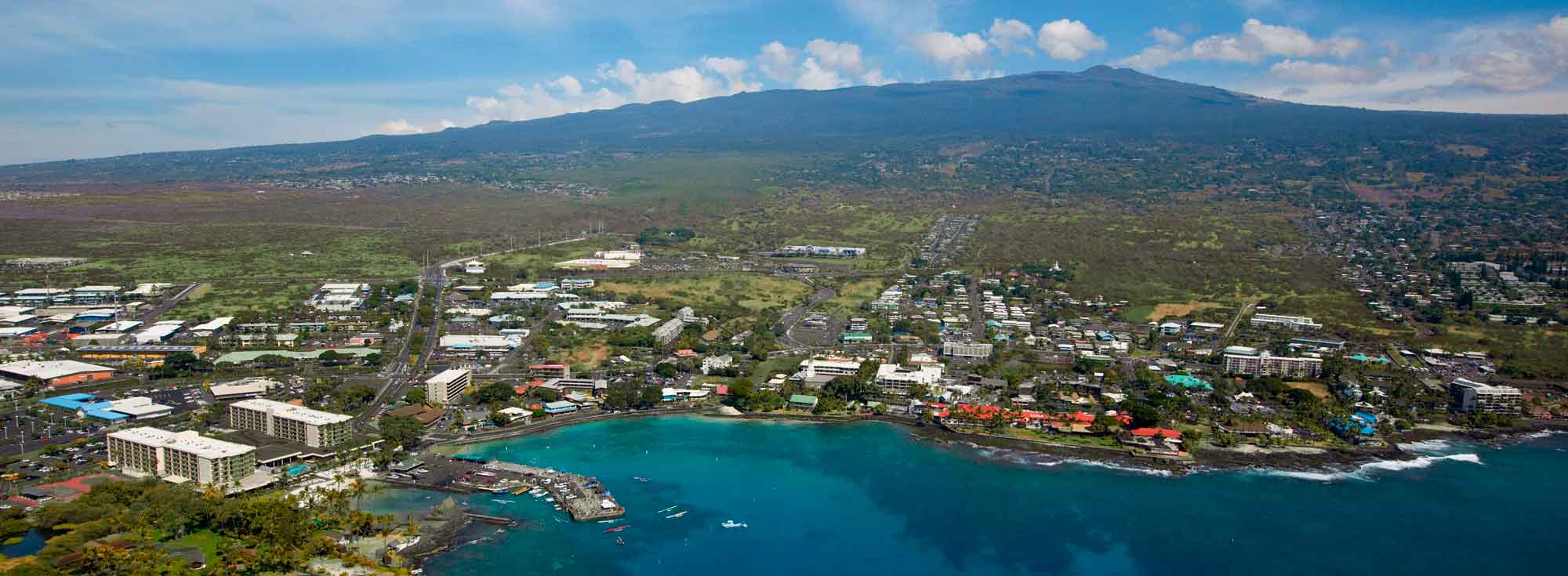
Foster Law Offices was founded by attorney Jeffrey Foster in 2003. The firm’s Hawaii office is in Kailua-Kona, and Foster represents clients in Waimea and communities throughout the Big Island.
The firm’s personal injury practice includes wrongful death, motor vehicle accidents, construction accidents, premises liability, product liability, and other serious injury cases. Foster Law Offices has represented Hawaii families in litigation involving individuals, businesses, insurers, and government-related entities.
Families facing a wrongful death case need both careful legal work and clear communication during an already difficult time. Foster Law Offices works to keep clients informed while investigating liability and pursuing available legal remedies.



 20+ Years Experience In Personal Injury Law

