Car Accident Representation for Kamuela and North Hawaii
Driving in North Hawaii can mean traveling between smaller communities, rural areas, resorts, businesses, and other parts of the island. A collision far from home can become especially stressful when injuries make it difficult to work, drive, attend medical appointments, or handle everyday responsibilities.
Foster Law Offices represents drivers, passengers, pedestrians, motorcyclists, and families affected by serious crashes. Our personal injury practice includes rear-end collisions, head-on accidents, distracted driving, drunk driving, commercial vehicle crashes, rollovers, side-impact collisions, and other motor vehicle accidents.
We look at the specific circumstances of each accident rather than treating every claim the same. That includes determining how the crash occurred, who may be responsible, what insurance coverage applies, and how the injuries have affected the client’s life.
Rural and Highway Crashes Can Cause Serious Injuries
Some accidents happen at relatively low speeds in parking lots or near businesses. Others occur on highways where vehicles may be traveling faster, and emergency or medical assistance may not be immediately nearby.
Head-on collisions, rollovers, side-impact crashes, and accidents involving motorcycles or larger commercial vehicles can cause particularly serious injuries. Victims may suffer broken bones, head injuries, spinal injuries, internal injuries, severe soft tissue damage, or other conditions requiring ongoing medical care.
The location of a crash can also affect the investigation. Photographs, road conditions, vehicle positions, debris, witness information, and other physical evidence may help explain what happened before that evidence disappears.
Common Causes of Motor Vehicle Accidents
Most crashes involve a combination of driver behavior and surrounding conditions. Identifying the cause is important because a personal injury claim generally depends on showing that another person or company acted negligently.
Common causes of motor vehicle accidents include:
-
Distracted driving
-
Speeding
-
Driving too fast for road or weather conditions
-
Drunk or drug-impaired driving
-
Following too closely
-
Unsafe passing
-
Failure to yield
-
Crossing the center line
-
Driver fatigue
-
Unsafe turns
-
Failure to maintain control
Some accidents involve more than one responsible party. A commercial vehicle crash, for example, may require looking at the actions of the driver as well as the company responsible for the vehicle or the driver’s work.
Hawaii’s No-Fault Car Insurance System
Hawaii uses a no-fault system for motor vehicle insurance. Personal Injury Protection, commonly called PIP, generally provides coverage for qualifying medical and rehabilitation expenses regardless of who caused the accident.
Hawaii requires at least $10,000 in PIP coverage per person. This coverage can help with medical expenses after a crash, but it does not necessarily prevent an injured person from bringing a personal injury claim against an at-fault driver.
Hawaii law provides circumstances in which an injured person can pursue additional damages outside the no-fault system. Whether those requirements are met depends on factors such as the seriousness of the injuries, qualifying PIP expenses, and the specific facts of the accident.
Insurance Coverage May Extend Beyond PIP
PIP is only one part of an auto insurance policy. Liability coverage may become important when another driver caused the crash, while uninsured or underinsured motorist coverage may apply when the responsible driver has no insurance or not enough coverage for a serious injury.
As of 2026, Hawaii requires minimum liability coverage of $40,000 per person and $80,000 per accident for bodily injury, along with $20,000 for property damage, for policies subject to the new minimum requirements. Drivers may carry coverage above those minimums.
Some accidents can involve several policies or sources of coverage. Rental vehicles, commercial vehicles, employer-owned vehicles, and multi-vehicle crashes can make determining available insurance more complicated.
Proving Fault After a Kamuela Car Accident
An insurance company does not have to accept an injured person’s version of the accident simply because that person files a claim. When fault is disputed, evidence becomes critical.
Depending on the circumstances, evidence may include:
-
Police reports
-
Photographs and video
-
Vehicle damage
-
Witness statements
-
Surveillance footage
-
Medical records
-
Electronic or vehicle data
-
Insurance information
-
Evidence from the accident scene
-
Expert analysis in complex cases
Foster Law Offices investigates the available evidence to determine how the collision happened and who may be responsible. Acting early can help preserve information before vehicles are repaired, footage is erased, or witnesses become difficult to locate.
Hawaii’s Comparative Negligence Rule
Not every accident is entirely one driver’s fault. Hawaii follows a modified comparative negligence rule that can allow an injured person to recover damages even when they share some responsibility for the crash.
When the injured person’s negligence is not greater than the negligence of the person or combined parties they are seeking recovery from, compensation may still be available. The amount recovered is then reduced according to the injured person’s percentage of fault.
Because fault affects the amount of compensation available, insurance companies may try to place more responsibility on the injured driver. Evidence from the crash can help challenge an unfair attempt to shift blame.
Compensation After a Serious Car Accident
The financial impact of a collision often extends well beyond vehicle repairs. An injury can result in emergency treatment, specialist visits, rehabilitation, medication, time away from work, and future medical needs.
Depending on the case, compensation may address losses such as:
-
Medical bills and other medical expenses
-
Future treatment and rehabilitation
-
Lost wages
-
Reduced earning capacity
-
Vehicle repairs or replacement
-
Other property damage
-
Pain and suffering
-
Emotional distress
-
Loss of enjoyment of life
A serious injury may affect a person’s ability to work, care for family members, participate in hobbies, or perform everyday activities. Evaluating a claim means looking at those long-term effects rather than focusing only on the bills that have already arrived.
Insurance Companies May Challenge Your Claim
Insurance adjusters investigate accidents and injuries before deciding what the company believes it should pay. They may question who caused the crash, whether medical treatment was necessary, whether an injury existed before the accident, or how much the injury has actually affected someone’s life.
An adjuster may also ask for a recorded statement soon after the collision or make an early settlement offer. Accepting a settlement and signing a release can prevent an injured person from seeking additional compensation later, even if the injury becomes more serious than originally expected.
A car accident lawyer can handle appropriate communication with the insurance company, review settlement offers, and explain what accepting an offer would mean before the client makes a decision.
Building a Personal Injury Claim
Foster Law Offices begins by understanding how the accident happened and how it affected the client. That may involve gathering the police report, medical records, photographs, witness statements, insurance documents, employment information, and other evidence.
We then document the damages associated with the injury. Medical expenses and lost income may be relatively easy to calculate, while future treatment, reduced earning ability, pain, and other long-term losses can require a more detailed evaluation.
Many personal injury claims are resolved through negotiations with insurance companies. If a fair resolution cannot be reached and the circumstances support further action, filing a lawsuit may become an option.
Hawaii Has Deadlines for Injury Lawsuits
Hawaii generally has a two-year statute of limitations for actions seeking compensation for injury to a person or property. The deadline and any exceptions can depend on the circumstances of the claim, so an injured person should not assume that waiting until the end of that period is safe.
Evidence can disappear long before a filing deadline arrives. Vehicles may be repaired, witnesses can become difficult to find, memories fade, and video or electronic records may no longer be available.
Speaking with an attorney early gives the legal team more time to investigate the accident and determine which deadlines apply.
Foster Law Offices Serves Clients Throughout the Big Island
Foster Law Offices was founded by attorney Jeffrey Foster in 2003 and represents personal injury clients throughout Hawaii. Our motor vehicle practice includes automobile, pedestrian, motorcycle, semi-truck, drunk-driving, distracted-driving, rollover, rear-end, and side-impact accidents.
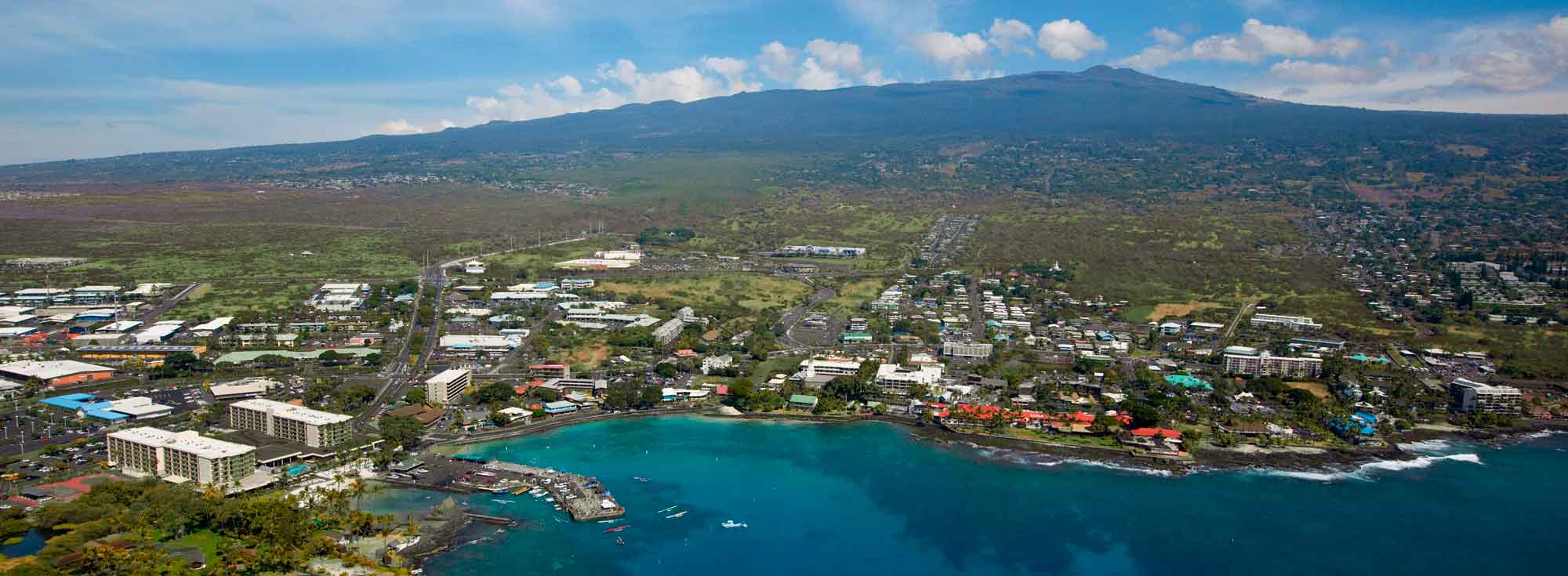
Our office is located in Kailua-Kona, and we represent clients from Kamuela and other communities throughout the Big Island. We can handle much of the legal and insurance process while clients focus on treatment and recovery.
Communication is an important part of our approach. We keep clients informed, explain developments and settlement offers, and help them understand the choices available throughout their case.



 20+ Years Experience In Personal Injury Law

