Car Accidents Along the Hāmākua Coast
Honokaʻa is located along the northeastern side of Hawaii Island, where Highway 19 connects communities throughout the Hāmākua Coast. Residents rely on this route to travel between towns, reach medical appointments, commute to work, and access businesses and services in other parts of the island.
Driving conditions can change along this stretch of highway. Rain, curves, reduced visibility, and vehicles entering or leaving smaller roads can create situations that require extra attention. Drivers may also encounter commercial trucks, agricultural vehicles, and visitors unfamiliar with the area.
When motorists fail to adjust their driving to the conditions, the results can be serious. A driver following too closely on wet pavement, passing without adequate visibility, or entering the highway without yielding may cause a collision that leaves another person injured.
Our firm investigates accidents involving Highway 19 and other roads serving Honokaʻa, Paʻauilo, Kukuihaele, and nearby Hāmākua communities. We examine the specific circumstances of each collision rather than assuming that weather or roadway conditions alone caused the accident.
Common Causes of Car Accidents in Honokaʻa
Most car accident claims require determining whether a driver’s careless or reckless actions contributed to the collision. Sometimes the cause is obvious, such as a driver running a stop sign. Other accidents involve several factors that must be investigated together.
Common causes of car accidents include:
-
Distracted driving and cellphone use
-
Speeding or driving too fast for road conditions
-
Following another vehicle too closely
-
Unsafe passing or lane changes
-
Failure to yield when entering a highway
-
Driving under the influence of alcohol or drugs
-
Fatigued or inattentive driving
-
Failure to maintain a safe distance from other vehicles
A collision may also involve a driver who fails to notice slowing traffic or misjudges the distance needed to complete a turn. These mistakes can lead to rear-end accidents, intersection collisions, and crashes involving vehicles traveling in opposite directions.
Our legal team reviews driver behavior, traffic conditions, witness statements, and available physical evidence to determine whether negligence caused or contributed to the accident.
Wet Roads and Reduced Visibility
Rain is a familiar part of driving along the Hāmākua Coast. Wet pavement can increase stopping distances, while fog or heavy rainfall may make it harder to see approaching vehicles, intersections, or hazards.
Drivers are expected to use reasonable care under the circumstances. This may include reducing speed, increasing following distance, and paying closer attention when visibility is limited.
When a driver fails to take reasonable precautions and causes an accident, those decisions may support a negligence claim. We evaluate the weather alongside other evidence, including vehicle movements, road conditions, and the driver’s actions before the collision.
Collisions Involving Commercial and Agricultural Vehicles
Commercial trucks and vehicles used for agricultural work may share North Hawaii roads with passenger cars. Their size, weight, and operating characteristics can affect how quickly they stop or maneuver.
An accident involving a commercial vehicle may require examining driver conduct, vehicle maintenance, company records, and other factors. Depending on the circumstances, more than one party may bear responsibility.
We investigate the available evidence to determine which individuals or businesses may be legally responsible for the injuries caused by a collision.
Serious Injuries Following a Car Accident
Car accidents can cause injuries that interfere with a person’s ability to work, drive, care for family members, or participate in daily activities. Some injuries heal with treatment, while others result in lasting physical limitations.
Common injuries include:
-
Traumatic brain injuries and concussions
-
Neck and back injuries
-
Spinal cord injuries
-
Broken bones and fractures
-
Herniated discs and nerve damage
-
Internal injuries
-
Shoulder and knee injuries
-
Severe cuts, scarring, and disfigurement
A person injured in a collision may need emergency treatment, diagnostic imaging, surgery, physical therapy, or ongoing care. Symptoms such as headaches, dizziness, numbness, and worsening pain should be discussed with a medical professional, even if they appear after the accident.
We review medical records and treatment recommendations to understand how injuries affect our clients. When a condition may cause permanent limitations, we also consider the potential need for future treatment and the effect on employment and daily life.
Medical Treatment and Recovery in Rural Hawaii
Recovering from a serious injury can present additional challenges for people living along the Hāmākua Coast. Depending on the medical services needed, an injured person may have to travel outside Honokaʻa for specialist appointments, imaging, surgery, or rehabilitation.
Those trips can become difficult when injuries limit driving or when the family’s vehicle was damaged in the collision. A person may need help arranging transportation, miss additional work hours, or rely on relatives to attend medical appointments.
These practical effects can contribute to the financial impact of an accident. Depending on the circumstances and applicable law, certain documented travel expenses and other injury-related costs may be relevant to a personal injury claim.
We encourage clients to keep records of their treatment, related expenses, and work restrictions. This information helps us evaluate the full impact of an injury rather than looking only at the initial emergency room bill.
Hawaii’s No-Fault Insurance System and PIP Benefits
Hawaii is a no-fault state for most passenger motor vehicle accidents. Under this system, personal injury protection, commonly called PIP, generally provides certain benefits for covered accident-related injuries regardless of which driver caused the collision.
Hawaii requires at least $10,000 in PIP coverage for covered motor vehicles. These benefits generally help pay qualifying medical and rehabilitation expenses, subject to the applicable policy and legal requirements.
However, PIP does not automatically cover every financial loss or provide compensation for pain and suffering. Serious injuries may also result in medical expenses that exceed the available benefits.
Our firm reviews the applicable insurance policies and helps clients understand which benefits may be available. When another driver’s negligence caused the accident, we also evaluate whether Hawaii law permits a separate personal injury claim.
Hawaii’s 2026 Minimum Liability Insurance Requirements
Effective January 1, 2026, Hawaii increased the minimum automobile liability insurance limits for new and renewing policies.
The updated minimum requirements are:
-
$40,000 in bodily injury liability coverage per person
-
$80,000 in bodily injury liability coverage per accident
-
$20,000 in property damage liability coverage per accident
The minimum PIP requirement remains $10,000. The liability coverage available for a particular accident depends on the policy in effect when the collision occurred, including its effective or renewal date and any higher limits purchased.
These minimum limits may not be enough to cover the losses caused by a serious collision. We review available insurance coverage, including applicable uninsured or underinsured motorist benefits, when evaluating potential sources of compensation.
Personal Injury Lawsuits Under Hawaii’s No-Fault Rules
Hawaii’s no-fault system limits certain lawsuits arising from motor vehicle accidents. Under HRS § 431:10C-306, specific circumstances allow an injured person to pursue a qualifying claim against a legally responsible party.
These circumstances include death, significant permanent loss of use of a body part or function, certain permanent and serious disfigurement, or injuries that meet the statute’s $5,000 threshold for qualifying PIP benefits incurred.
The $5,000 threshold does not simply mean that every person must personally pay $5,000 in medical bills before filing a lawsuit. The law contains specific rules for calculating qualifying benefits, and other statutory exceptions may apply.
We examine the medical evidence, insurance records, and applicable law to determine whether a personal injury lawsuit may proceed.
Establishing Negligence and Fault After a Collision
A car accident claim involving negligence generally requires evidence that another party owed a duty of care, failed to meet that duty, and caused injuries and resulting damages.
For example, a driver who crosses into an oncoming lane while distracted may be responsible for a collision. In another case, a driver may fail to yield while entering Highway 19 from a side road.
The investigation may involve several types of evidence:
-
Police and accident reports
-
Photographs of vehicle damage and roadway conditions
-
Statements from drivers and witnesses
-
Available dashcam or surveillance footage
-
Vehicle inspection records
-
Traffic signs, lane markings, and intersection layouts
-
Medical records documenting the injuries
Evidence can be particularly important when drivers provide conflicting accounts of what happened. Our firm works to preserve relevant information and determine whether additional investigation or expert analysis is needed.
Hawaii’s Modified Comparative Negligence Rule
Hawaii follows a modified comparative negligence system under HRS § 663-31. An injured person may still recover damages when partly responsible for an accident, provided their negligence is not greater than the combined negligence of the parties against whom recovery is sought.
Any damages awarded are reduced by the injured person’s percentage of fault. For example, if recoverable damages total $100,000 and the injured person is found 25% responsible, the award would be reduced to $75,000.
Insurance companies may argue that an injured driver was speeding, following too closely, or otherwise contributed to the collision. We examine those allegations against the available evidence rather than accepting an insurer’s fault determination without question.
Compensation for Car Accident Injuries
A serious car accident may result in financial losses that continue long after the vehicles have been removed from the roadway. Medical treatment, missed work, and reduced physical abilities can affect a person’s finances and daily responsibilities.
When the legal requirements for recovery are met, compensation may include both economic and non-economic damages.
Economic Damages
Economic damages address measurable financial losses associated with the accident. Depending on the circumstances, these may include:
-
Qualifying medical expenses
-
Future treatment and rehabilitation costs
-
Lost wages
-
Reduced future earning capacity
-
Documented injury-related expenses
-
Property damage
-
Other recoverable financial losses
Someone who works in agriculture, construction, hospitality, or another physically demanding occupation may be unable to perform regular job duties while recovering. Severe injuries may also limit the person’s ability to return to the same type of work.
We review medical restrictions, employment records, financial documentation, and other evidence to evaluate these losses.
Non-Economic Damages
Non-economic damages concern qualifying personal losses that cannot be measured through bills or pay statements. These may include physical pain and suffering, emotional distress, loss of enjoyment of life, and the effects of permanent limitations.
A person who previously enjoyed outdoor activities, family outings, or an active lifestyle may experience substantial changes after a serious injury. These effects can matter when evaluating the harm caused by a negligent driver.
Hawaii’s motor vehicle tort restrictions affect when certain damages may be pursued. We assess the applicable legal requirements before determining which categories of compensation may be available.
Insurance Disputes After a Honokaʻa Car Accident
Insurance companies may investigate an accident soon after it occurs. An adjuster might request a recorded statement, question the injuries, or offer a settlement before the injured person knows whether additional medical treatment will be necessary.
Disputes can arise over fault, medical expenses, the cause of an injury, or the amount of available insurance coverage. The insurer may also argue that the injured person contributed to the accident or that certain treatment was unrelated to the collision.
Our firm handles insurance communications and negotiations for clients. We review the supporting evidence, document losses, evaluate settlement offers, and respond to disputes about liability or damages.
A final settlement generally includes a release of the claims covered by the agreement. Before accepting an offer, it is important to understand whether it accounts for ongoing treatment, lost income, and other supported losses.
Preserving Evidence After a Hāmākua Coast Collision
Accident evidence may be difficult to recover once vehicles are repaired, road conditions change, or witnesses leave the area. This can be especially important after a crash along a rural stretch of highway where there may be fewer nearby businesses or cameras.
If you are physically able to do so safely, take photographs of the vehicles, roadway, debris, traffic controls, and visible injuries. Obtain contact information from witnesses and preserve any photographs or video taken immediately after the accident.
After receiving appropriate medical attention, keep copies of your treatment records, bills, repair estimates, and insurance correspondence. A written record of missed work and injury-related expenses can also help document your losses.
You do not need to complete an investigation yourself. We can help obtain accident reports, identify witnesses, review available records, and determine whether additional evidence should be preserved.
Legal Deadlines for Hawaii Car Accident Claims
Hawaii Revised Statutes § 657-7 generally provides a two-year statute of limitations for personal injury lawsuits. The exact deadline depends on when the claim accrues and whether an exception or special rule applies.
Certain cases, including claims involving government entities, may have additional notice or procedural requirements. The applicable deadlines should be evaluated based on the facts rather than assuming every claim follows the same timeline.
Waiting can also make an accident harder to investigate. Witnesses may become difficult to locate, vehicles may be repaired, and relevant photographs or video footage may no longer be available.
Seeking legal advice early gives an attorney more opportunity to investigate the collision, identify applicable deadlines, and preserve evidence.
Jeffrey Foster’s Experience With Serious Injury Claims
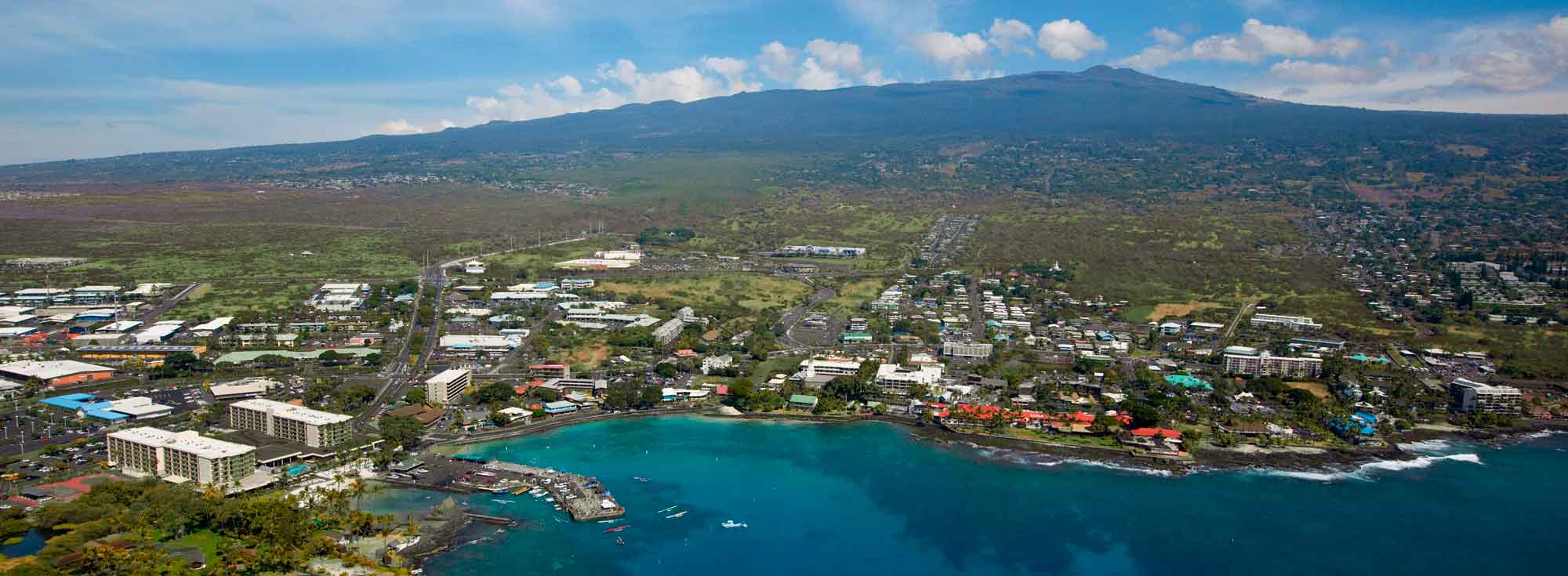
Foster Law Offices was founded in 2003 by attorney Jeffrey Foster. Our firm is based in Kailua-Kona and represents injured people throughout Hawaii Island, including Honokaʻa and communities along the Hāmākua Coast.
We handle personal injury cases involving car accidents, motorcycle collisions, pedestrian injuries, and other situations where negligence causes serious harm. Our work includes investigating liability, evaluating insurance coverage, and pursuing compensation supported by the evidence.
We understand that injured clients need clear answers about their options, not repeated promises about what a case might be worth. Our approach begins with understanding the accident, the injuries, and the client’s concerns before developing a legal strategy.
You can learn more about attorney Jeffrey Foster’s background and experience before deciding whether to work with our firm. We offer free initial consultations and explain the applicable fee arrangement before representation begins.



 20+ Years Experience In Personal Injury Law

