A Wrongful Death Claim Focuses on a Preventable Loss
A wrongful death claim may arise when another person or entity’s wrongful act, neglect, or default causes someone’s death. The legal action allows eligible surviving family members and the deceased person’s legal representative to pursue remedies recognized by Hawaii law.
These cases can involve a single negligent party or several people and businesses whose actions contributed to the death. Establishing liability requires evidence connecting the wrongful conduct to the fatal injury.
A wrongful death lawsuit is a civil action. Its purpose is different from a criminal case, even when the same incident leads to a police investigation or criminal charges.
Fatal Accidents Can Take Many Forms
A wrongful death action is not limited to car accidents. Any preventable incident may need to be investigated when negligence or other legally actionable conduct caused the victim’s death.
Foster Law Offices handles personal injury and wrongful death cases involving matters such as:
- Car accidents
- Motorcycle and pedestrian accidents
- Commercial vehicle crashes
- Drunk or distracted drivers
- Dangerous property conditions
- Premises liability
- Construction accidents
- Defective products
- Negligent care
- Other serious accidents caused by negligence
Some victims die immediately. Others suffer catastrophic injuries and receive medical care before passing away. Medical records, medical bills, incident reports, photographs, witness accounts, and other documentation can become critical evidence when determining how the death occurred.
A Family’s Loss Extends Far Beyond Funeral Expenses
A death can immediately change a household’s financial situation. The deceased person may have contributed income, health insurance, childcare, household services, or other forms of financial support that surviving family members depended on.
But economic damages tell only part of the story. Families also lose the relationship they had with the person, including companionship, care, guidance, comfort, protection, and other deeply personal parts of family life.
Hawaii wrongful death law recognizes both financial and personal losses. The compensation available depends on the family relationships involved, the deceased person’s circumstances, and the evidence supporting the claim.
Hawaii Law Identifies Who May Bring a Claim
Not everyone who cared about the deceased person automatically has the legal right to pursue a wrongful death claim. Hawaii Revised Statutes § 663-3 identifies the people who may maintain an action when another person’s wrongful act, neglect, or default causes a death.
Depending on the circumstances, eligible parties may include:
- The deceased person’s legal representative
- A surviving spouse
- A reciprocal beneficiary
- Children
- A surviving parent
- A person wholly or partly dependent on the deceased
The deceased person’s legal representative may also recover reasonable expenses associated with the last illness and burial on behalf of the deceased’s estate.
Family structures can be complicated, especially when several surviving relatives or dependents may have rights arising from the same death. An attorney can determine how Hawaii law applies rather than assuming only one family member can act.
Economic Damages Address the Financial Effects of the Death
The loss of someone who contributed financially to a household can affect a family for years. A wrongful death claim may therefore involve more than the bills incurred immediately after the death.
Depending on the circumstances, economic losses may include:
- Reasonable expenses associated with the deceased’s last illness
- Burial and funeral costs
- Lost financial support
- Loss of household services
- Other financial losses recognized under Hawaii law
Calculating future financial losses may require examining the deceased person’s income, work history, age, expected contributions, and the people who depended on that support.
The goal is not to place a price on a person’s life. It is to identify the measurable financial burdens created when another party’s negligence takes that person away from the family.
Non-Economic Damages Recognize Personal Loss
Some of the greatest losses after a death cannot be shown on an invoice or pay stub. Hawaii law recognizes several forms of personal loss when determining fair and just compensation in a wrongful death action.
Depending on the relationship, non-economic damages may include loss of:
- Society and companionship
- Comfort and protection
- Consortium
- Marital care and attention
- Advice or counsel
- Parental care
- Training, guidance, or education
- Filial care or attention
Every family relationship is different. The effect of losing a spouse is different from losing a parent or child, which is why these damages must be evaluated based on the individual family rather than a standard formula.
Building a Wrongful Death Claim Starts With Evidence
Families often have incomplete information immediately after a fatal accident. Police, insurance companies, businesses, employers, medical providers, and other parties may each possess different pieces of the story.
A wrongful death attorney may begin building the claim by obtaining and preserving evidence such as:
- Police and incident reports
- Photographs and video
- Witness statements
- Medical records
- Death certificates
- Vehicle or equipment records
- Electronic data
- Employment records
- Insurance information
- Maintenance or inspection records
- Expert analysis when necessary
Preserving critical evidence early can make a significant difference. Vehicles can be repaired or destroyed, surveillance footage can disappear, physical conditions can change, and witnesses’ memories may become less clear with time.
Liability May Extend Beyond the Person Directly Involved
The person whose actions immediately caused an accident may not be the only responsible party. A complete investigation looks at everyone whose negligence or wrongful conduct may have contributed to the death.
A fatal car accident involving a driver who was working, for example, can raise questions about an employer or vehicle owner. Dangerous property may involve an owner, business, management company, contractor, or another party responsible for maintaining safe conditions.
Product-related cases can raise separate questions about manufacturers or sellers. Other incidents may involve government agencies or organizations responsible for supervision or care.
Identifying every legally liable party helps families understand the complete picture and can also reveal additional sources of insurance or financial recovery.
Insurance Companies May Become Involved Early
When insurance coverage applies, an insurance company may begin investigating before the family has had time to understand what happened. Insurance adjusters may gather statements, inspect property or vehicles, review records, and begin evaluating liability.
Their investigation serves the insurer’s interests. The company may dispute negligence, challenge damages, argue that someone else was responsible, or attempt to resolve the claim before the full extent of the family’s losses has been documented.
Foster Law Offices can handle appropriate insurance communications while conducting an independent investigation on the family’s behalf. Families should have an opportunity to understand their legal rights before making decisions about a settlement.
Settlement Should Account for Long-Term Losses
Some wrongful death claims resolve through negotiated settlements rather than trial. A settlement may provide financial recovery without requiring surviving family members to go through the entire litigation process.
However, evaluating a settlement requires looking beyond immediate funeral costs or medical bills. Lost future financial support and the long-term personal losses suffered by family members may also need to be considered.
Once a claim is settled and the applicable releases are signed, the family generally cannot return later and seek additional compensation for the same released claims. Foster Law Offices evaluates settlement offers and explains the options so the family can make the final decision about whether to accept a proposed resolution.
A Civil Claim Does Not Depend on Criminal Charges
A wrongful death claim and a criminal prosecution are separate legal proceedings. The government decides whether to bring criminal charges, while eligible family members or a legal representative may pursue a civil wrongful death action.
That distinction matters when no criminal case is filed. The absence of criminal charges does not automatically mean that no one can be held responsible through the civil justice system.
Likewise, families do not have to wait for a criminal prosecution to begin asking questions about their civil legal options. The evidence and standards involved in the two proceedings are different.
Comparative Negligence Can Affect Compensation
Hawaii follows a modified comparative negligence system. In some fatal accident cases, the responsible party or insurance company may argue that the deceased person also contributed to the accident.
Partial fault does not automatically eliminate a wrongful death claim. However, the deceased person’s percentage of negligence can reduce the compensation available and may bar recovery if the statutory comparative negligence threshold is exceeded.
This is another reason an independent investigation matters. Families should not assume an insurance company’s assignment of fault is the final answer when evidence may tell a different story.
Hawaii Generally Provides Two Years to Take Legal Action
Hawaii’s wrongful death statute generally requires an action to be filed within two years from the date of death. Different circumstances can create additional requirements or affect other claims associated with the incident.
Families should not use the two-year period as a reason to wait. Critical evidence may disappear much sooner, and investigating a complicated death can take considerable time.
Speaking with a lawyer does not commit a family to filing a lawsuit. It can provide information about deadlines, legal options, and what evidence should be preserved while the family decides whether to move forward.
Foster Law Offices Represents Families Throughout the Big Island
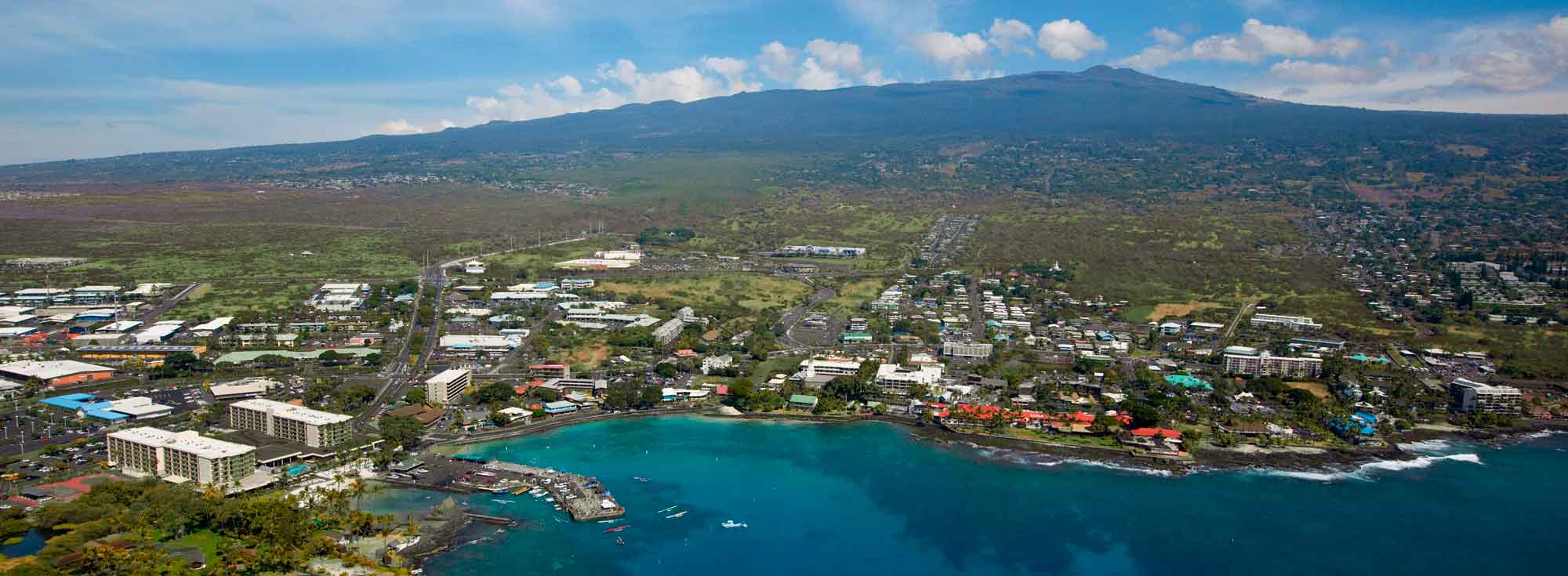
Foster Law Offices is a Kailua-Kona-based personal injury law firm founded by Jeffrey Foster in 2003. The firm represents clients in Captain Cook and communities throughout the Big Island in wrongful death, motor vehicle accident, premises liability, construction accident, product liability, and other serious personal injury matters.
Our approach to wrongful death cases combines investigation and litigation strategy with clear communication. Families deserve to understand what the legal team is doing, what information has been uncovered, and what choices are available as the claim progresses.
Foster Law Offices offers free initial consultations and handles personal injury matters under fee arrangements explained before representation begins. When a contingency fee basis applies, the written agreement explains how attorney fees and case costs will be handled.



 20+ Years Experience In Personal Injury Law

