Car Accidents in Pāhoa and the Puna District
Pāhoa serves as an important community center for residents throughout lower Puna. Highway 130 connects Pāhoa with Keaʻau and other communities, while Highway 132 provides access to areas east of town. Residents also rely on smaller roads to reach neighborhoods, businesses, schools, and medical services.
These roads carry a mix of local traffic, commercial vehicles, and visitors traveling through the district. Drivers may encounter intersections, vehicles entering from side roads, changing speed limits, and periods of heavy rain. Some residential areas also have limited lighting, making it especially important for motorists to remain alert after dark.
A collision can occur when a driver fails to yield while entering Highway 130, follows another vehicle too closely, or attempts an unsafe turn. On smaller roads, limited visibility or unexpected vehicle movements may leave another driver with little time to react.
Our firm investigates car accidents throughout Pāhoa and nearby communities, including Nanawale Estates, Hawaiian Beaches, and Hawaiian Shores. We examine the circumstances of each collision to determine whether another driver’s negligence caused or contributed to the injuries.
Common Causes of Car Accidents in Pāhoa
Many car accidents result from driver behavior that could have been avoided. A motorist may be distracted, traveling too fast for the conditions, or failing to watch for other vehicles before turning.
Common causes of car accidents include:
-
Distracted driving and cellphone use
-
Speeding or driving too fast for wet roads
-
Failure to yield at intersections
-
Unsafe left turns
-
Following another vehicle too closely
-
Improper lane changes or passing
-
Driving under the influence of alcohol or drugs
-
Driver fatigue and inattention
-
Failure to obey traffic signals or signs
Some accidents involve more than one contributing factor. A driver may be speeding while approaching an intersection, or another vehicle may enter traffic without checking for approaching cars.
We investigate these circumstances by reviewing the police report, vehicle damage, witness statements, and other available evidence. Establishing negligence requires understanding what happened before the collision, not simply identifying which vehicle sustained the most damage.
Highway 130 Collisions and Intersection Hazards
Highway 130 is a major route for people traveling between Pāhoa, Keaʻau, and surrounding Puna communities. Drivers use the highway to reach workplaces, schools, shopping areas, and other destinations.
Collisions may occur when a driver enters the highway without yielding, makes an unsafe turn, or fails to slow for traffic ahead. Intersections and access roads can require motorists to watch for vehicles approaching from several directions.
When an accident occurs, we examine the roadway layout, traffic controls, vehicle movements, and available witness accounts. This evidence may help determine whether the at-fault driver failed to exercise reasonable care.
Rain, Visibility, and Residential Roads
Rain can reduce visibility and affect stopping distances on Puna roads. Drivers may also encounter poorly lit areas or narrower residential streets where vehicles enter from driveways and side roads.
Motorists have a responsibility to adjust their driving to the conditions. That may mean slowing down, increasing following distance, or taking additional care when approaching intersections.
Weather does not automatically excuse negligent driving. If a driver fails to respond reasonably to road conditions and causes an accident, those actions may be relevant to determining fault.
Injuries Caused by Serious Car Accidents
Car accident injuries can affect a person’s ability to work, drive, care for family members, or complete ordinary activities. Some injuries improve with treatment, while others result in lasting physical limitations.
Common car accident injuries include:
-
Traumatic brain injuries and concussions
-
Neck and back injuries
-
Spinal cord injuries
-
Broken bones and fractures
-
Herniated discs and nerve damage
-
Internal injuries
-
Shoulder and knee injuries
-
Severe cuts, scarring, and disfigurement
Some symptoms may not be immediately noticeable after a collision. Headaches, dizziness, neck pain, or numbness can develop or worsen after the initial accident, making appropriate medical attention important.
A serious injury may require emergency care, surgery, rehabilitation, or long-term treatment. We review medical records and treatment recommendations to understand the injuries, their connection to the accident, and their effect on the client’s daily life.
Long-Term Effects of Severe Injuries
A severe injury can continue affecting someone long after the initial hospital visit. A person with a spinal cord injury may experience permanent mobility limitations, while someone with a traumatic brain injury may have difficulty concentrating or returning to work.
These conditions can create ongoing medical expenses and financial pressure. Some injured people need additional therapy, assistive equipment, or changes to their daily routines.
We evaluate both immediate and future losses when building a personal injury claim. Medical opinions, employment records, and other documentation may help establish the long-term consequences of an injury.
Hawaii’s No-Fault Insurance System
Hawaii has a no-fault insurance system for most passenger motor vehicle accidents. Under this system, personal injury protection, or PIP, generally provides certain benefits for covered accident-related injuries regardless of which driver caused the collision.
Hawaii law generally requires at least $10,000 in PIP coverage for covered motor vehicles. These benefits can help pay qualifying medical and rehabilitation expenses, subject to the applicable policy and statutory requirements.
However, PIP does not automatically cover every financial loss associated with an accident. Serious injuries may result in medical expenses that exceed available benefits, and compensation for pain and suffering is subject to separate legal requirements.
Our firm reviews insurance coverage, available benefits, and the circumstances of the collision to determine which claims may be available.
Personal Injury Lawsuits Under Hawaii Law
Hawaii’s no-fault system places restrictions on certain lawsuits involving motor vehicle accidents. Under HRS § 431:10C-306, an injured person may pursue a qualifying claim when an applicable statutory exception or threshold is met.
These circumstances include death, significant permanent loss of use of a body part or function, certain permanent and serious disfigurement, or qualifying PIP benefits incurred that meet the statute’s $5,000 threshold.
The $5,000 threshold does not simply mean that every injured person must personally pay $5,000 in medical bills before filing a lawsuit. The statute contains specific rules for calculating qualifying benefits, and other exceptions may apply.
We examine the injuries, medical expenses, insurance benefits, and applicable legal requirements before determining whether a personal injury lawsuit may proceed.
Establishing Fault in a Pāhoa Car Accident Case
A personal injury claim involving negligence generally requires proof that another party owed a duty of care, breached that duty, and caused injuries and resulting damages.
For example, a driver who fails to yield while entering Highway 130 may be responsible for a collision with an approaching vehicle. Another accident may involve a driver who was distracted or traveling too fast to stop safely.
Evidence used to investigate fault may include:
-
Police reports
-
Photographs of the accident scene
-
Vehicle damage and repair records
-
Witness statements
-
Available dashcam or surveillance footage
-
Traffic controls and roadway markings
-
Medical records documenting the injuries
In more complicated cases, an accident reconstruction expert may help explain the sequence of events. Our legal team works to preserve important evidence and determine whether additional investigation is necessary.
Hawaii’s Modified Comparative Negligence Rule
Hawaii follows a modified comparative negligence system under HRS § 663-31. An injured person may still recover damages when partly responsible for an accident, provided their negligence is not greater than the combined negligence of the parties against whom recovery is sought.
Any damages awarded are reduced by the injured person’s percentage of fault. For example, if recoverable damages total $100,000 and the injured person is found 20% responsible, the award would be reduced to $80,000.
Insurance companies may argue that an injured driver was speeding, failed to react, or otherwise contributed to the collision. We evaluate those allegations against the available evidence rather than accepting an insurer’s assessment without question.
Compensation Available After a Car Accident
A serious car accident can cause financial losses that continue long after the collision. Medical treatment, missed work, and reduced physical abilities may affect a person’s income and household responsibilities.
When the applicable legal requirements are met, compensation may include economic and non-economic damages.
Economic Damages
Economic damages address measurable financial losses associated with the accident. Depending on the circumstances, these may include:
-
Qualifying medical expenses
-
Future medical treatment and rehabilitation
-
Lost wages
-
Reduced future earning capacity
-
Documented injury-related expenses
-
Property damage
-
Other recoverable financial losses
An injured person may be unable to return to work for several weeks or months. In more serious cases, permanent physical limitations may prevent someone from returning to the same occupation.
We review employment records, medical restrictions, and financial documentation to evaluate the economic impact of an accident.
Non-Economic Damages
Non-economic damages address qualifying personal losses that do not have a fixed financial value. These may include physical pain and suffering, emotional distress, loss of enjoyment of life, and the effects of permanent limitations.
A person who previously enjoyed outdoor activities, spending time with family, or maintaining an active lifestyle may experience substantial changes after a serious injury.
Hawaii’s motor vehicle tort restrictions affect when these damages may be pursued. We evaluate the applicable requirements before determining which categories of compensation may be available.
Insurance Company Disputes After a Collision
Insurance companies often begin investigating shortly after a motor vehicle accident. An adjuster may request a recorded statement, question the injuries, or make a settlement offer before the injured person understands the full extent of their losses.
Disputes can arise over who caused the accident, whether medical treatment was necessary, or how much compensation should be paid. An insurer may also argue that the injuries existed before the collision or that the injured driver shares responsibility.
We handle insurance communications and negotiations for our clients. Our work includes reviewing evidence, documenting damages, evaluating settlement offers, and responding to disputes about fault or coverage.
Accepting a final settlement generally means releasing the claims covered by that agreement. Before agreeing to an offer, it is important to understand whether it accounts for ongoing treatment, lost income, and other supported losses.
Steps to Take After a Car Accident in Pāhoa
The actions taken after a collision can affect both your health and your ability to pursue a claim. Not every step will be possible after a serious accident, but preserving information when it is safe to do so may help later.
-
Seek medical attention. Obtain appropriate treatment, especially if you experience head, neck, back, or other potentially serious injuries.
-
Report the accident. Contact police when required and provide accurate information about the collision.
-
Document the scene. Take photographs of vehicle damage, road conditions, traffic signs, and visible injuries if you can do so safely.
-
Exchange information. Obtain the other driver’s contact and insurance details, along with witness information when available.
-
Preserve records. Keep medical bills, treatment instructions, repair estimates, and insurance correspondence.
-
Follow medical recommendations. Attend follow-up appointments and discuss changes in your symptoms with your healthcare providers.
-
Review settlement documents carefully. Understand which claims and losses would be released before accepting a final offer.
You do not need to investigate the entire accident yourself. Our firm can help obtain police reports, identify witnesses, review insurance records, and preserve evidence relevant to the claim.
Legal Deadlines for Hawaii Car Accident Claims
Hawaii Revised Statutes § 657-7 generally provides a two-year statute of limitations for personal injury lawsuits. The exact deadline depends on when the claim accrues and whether an exception or special rule applies.
Certain claims, including those involving government entities, may have additional notice or procedural requirements. The applicable deadlines should be evaluated based on the circumstances rather than assuming every accident follows the same timeline.
Waiting can also make a case harder to investigate. Vehicles may be repaired, witnesses may become difficult to locate, and photographs or video footage may no longer be available.
Seeking legal guidance early allows an attorney to evaluate the claim, identify deadlines, and take steps to preserve important evidence.
Jeffrey Foster’s Experience With Car Accident Claims
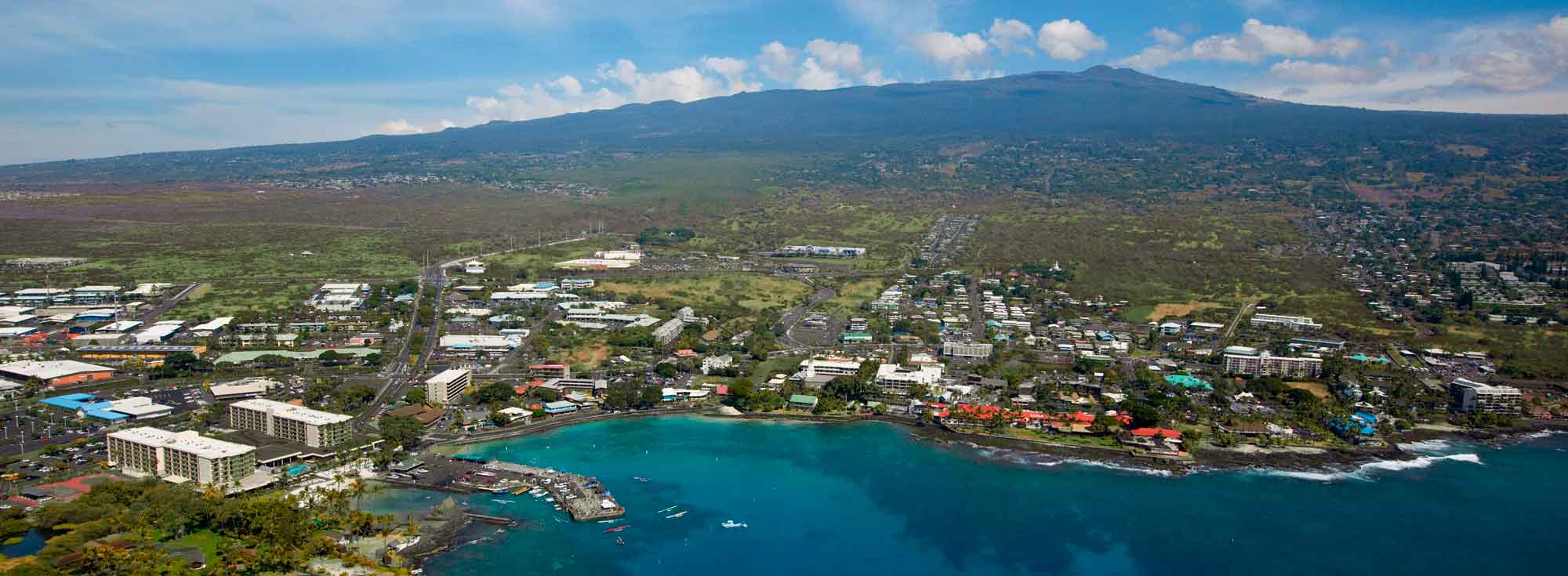
Foster Law Offices was founded in 2003 by attorney Jeffrey Foster. Our firm is based in Kailua-Kona and represents injured people throughout Hawaii Island, including Pāhoa and the surrounding Puna communities.
We handle personal injury cases involving car accidents, motorcycle collisions, pedestrian injuries, and other incidents caused by negligence. Our work includes investigating liability, evaluating insurance coverage, and pursuing compensation supported by the evidence.
We understand that injured clients need clear answers about their legal options and the claims process. Our approach begins with understanding what happened, how the injuries affect the client, and what evidence may be needed to support the case.
You can learn more about attorney Jeffrey Foster’s background and experience before deciding whether to work with our firm. We offer free initial consultations and explain the applicable fee arrangement before representation begins.



 20+ Years Experience In Personal Injury Law

